
Hoxton Market, London.
Two years of patient monitoring before a single repair was specified. A heritage commercial property stabilised, the collapsed drain beneath it resolved, and the finishes restored.
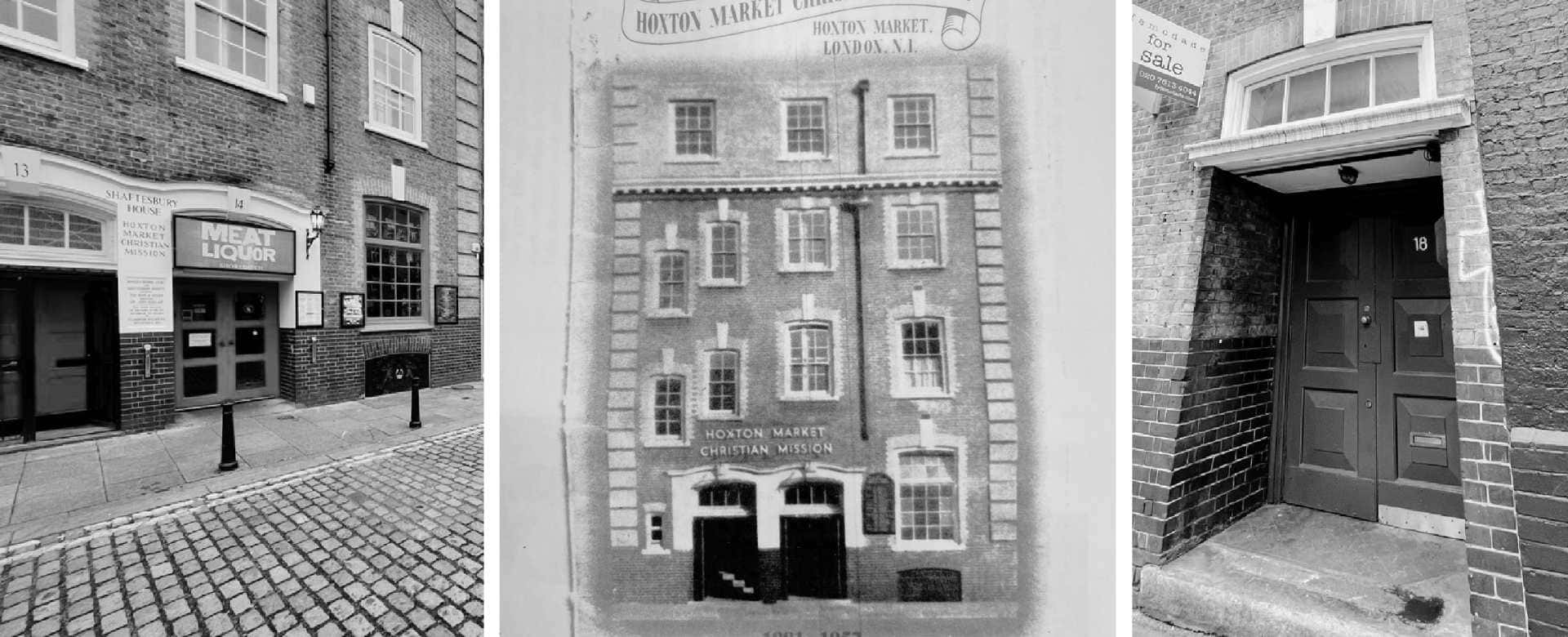
Cracks appear. The cause does not.
Structural cracking appeared at a heritage commercial property in Hoxton Market, London. Nationserv was instructed to investigate, diagnose and reinstate. What followed was not a repair job. It was a diagnosis that took two years to confirm.
Subsidence is the peril that rewards patience and punishes haste. Cracking is a symptom, and a symptom can have several causes: clay shrinkage in a dry summer, tree roots drawing moisture from the subsoil, heave following the removal of vegetation, thermal movement, or a failure in the drainage beneath the building.
Specify a permanent repair before the cause is confirmed and the damage returns. Underpin a building that is moving because of a leaking drain and the drain keeps leaking. The crack gets stitched, the plaster gets made good, and eighteen months later the same crack reopens in the same place, this time with a policyholder who has lost confidence and an insurer who has paid twice.
Two years, four phases.
Inspection and instruction
Initial structural inspection of the affected elevations. Crack patterns recorded and photographed, building history reviewed, and the range of possible causes narrowed. A monitoring regime specified and agreed with the insurer.
Structural monitoring
A monitoring programme run across approximately two years, tracking movement through seasonal cycles. Long enough to distinguish between clay shrinkage that recovers in winter and progressive settlement that does not. The data ruled causes out one by one.
Cause confirmed, drainage rectified
Monitoring confirmed a collapsed drain beneath the property, washing out ground material and causing progressive settlement. The drainage was rectified first. No structural repair was specified until the cause had been stopped.
Structural repair and reinstatement
Helifix crack stitching and structural masonry repair applied to the affected elevations. Internal and external finishes fully reinstated to match the property's heritage character. Signed off with the insurer and property owner.
Holding a claim open for two years.
The building work on a subsidence claim is rarely the hard part. Once the cause is confirmed and the drainage is fixed, crack stitching and reinstatement are within the standard scope of any competent structural contractor.
The difficulty is everything that happens in between. Holding a file open across two years of monitoring. Keeping an insurer informed when there is no visible progress to report. Managing a property owner's expectations through months where nothing appears to be happening. Maintaining continuity of surveyor and project manager so the person reading the monitoring data in year two is the person who specified the regime in year one.
That continuity is what a single Nationserv instruction protects. One team, one file, one relationship, held from first inspection to final sign off.
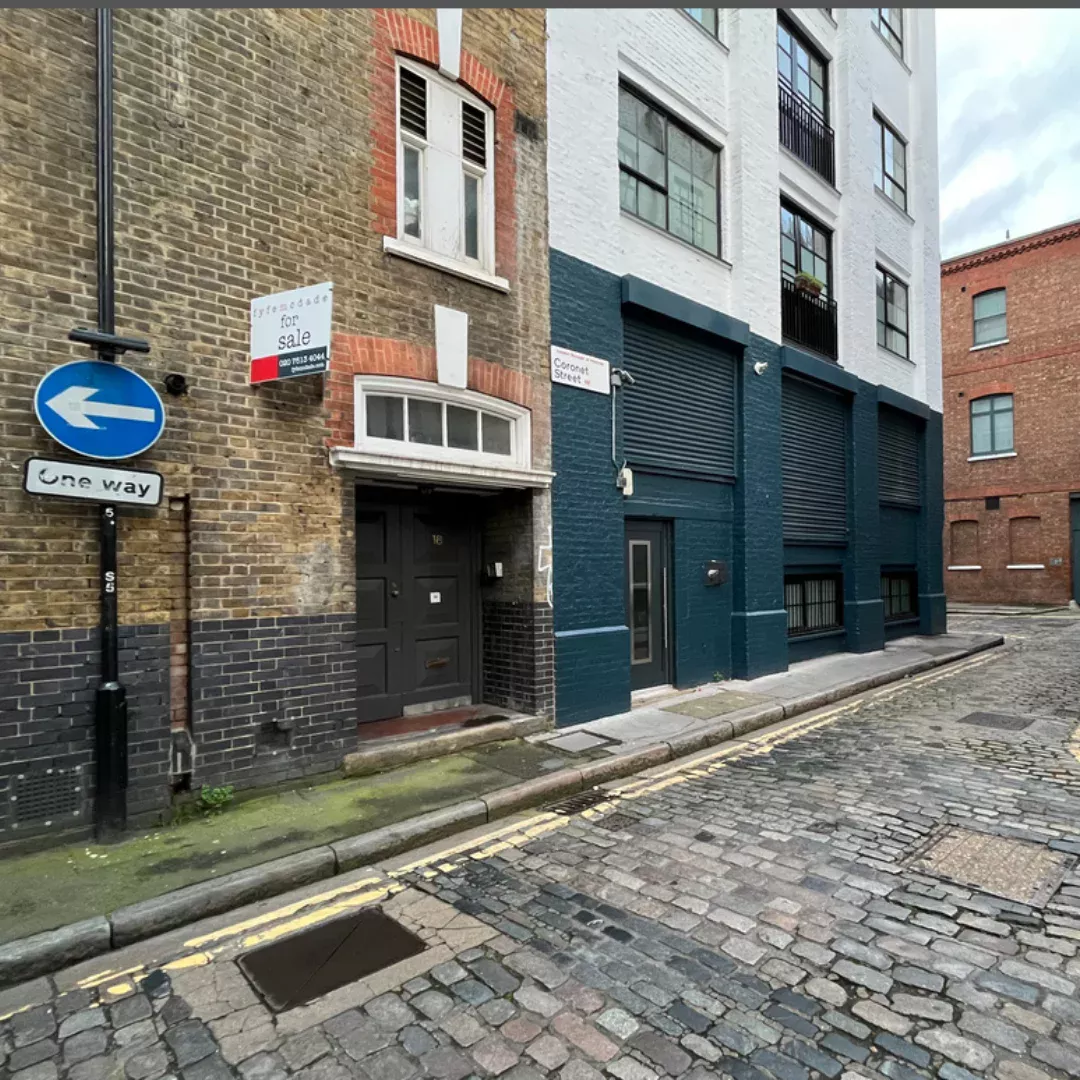
What the works covered.
Structural monitoring
A monitoring regime across approximately two years, capturing seasonal movement and building the evidence base required to specify a permanent repair with confidence.
Drainage rectification
The collapsed drain beneath the property located and rectified, stopping the ground movement at source before any structural work was specified or priced.
Helifix structural repair
Crack stitching and masonry reinforcement using Helifix systems, applied to the affected elevations by an approved installer working within the same instruction.
Heritage reinstatement
Internal and external finishes reinstated to match the property's existing heritage character, with detailing and materials selected to sit consistently with the original fabric.
The works in progress.
On a subsidence claim, the temptation is always to start repairing. The discipline is waiting until you know what you are repairing, and then fixing the cause before you touch the symptom.
Cause resolved. Not just the symptom.
The property was structurally stabilised, the collapsed drain that had caused the movement was rectified, and the heritage finishes were reinstated to match the existing fabric. The claim closed with the cause resolved rather than the crack simply filled.
For the insurer, that is the difference between a claim that closes and a claim that reopens. For the property owner, it is the difference between a building they can trust and one they will be watching for the next decade.
The project sits alongside the Royal Society of Medicine work as evidence of what Nationserv delivers on complex commercial reinstatement: the technical capability to do the work, and the project discipline to hold a file coherent across a programme measured in years.
Structural claim. One team, however long it takes.
Insurers and loss adjusters instruct Nationserv on subsidence and structural claims where diagnosis matters as much as delivery. Monitoring, cause resolution, repair and reinstatement under a single instruction.